Tequila is a Mexican spirit distilled from the cooked heart of one plant, the blue agave. It can only be made in a protected region of western Mexico, under a national standard that defines how it is produced, aged and labeled.
What is tequila made from?
From Agave tequilana Weber blue variety, and no other agave. Mexico’s NOM-006-SCFI-2012 sets two categories: “100% agave,” made only with blue agave sugars, and “tequila,” which must get at least 51% of its sugars from agave and may take up to 49% from other sugars.
Where is tequila made?
Only inside its Denomination of Origin: 181 municipalities in five Mexican states. All 125 municipalities of Jalisco are included, plus parts of Guanajuato, Michoacán, Nayarit and Tamaulipas, according to a University of Guadalajara study based on Tequila Regulatory Council data. The town of Tequila, in Jalisco, gave the spirit its name.
How tequila is made, step by step
- Growing. Blue agave matures for years. The Tequila Regulatory Council (CRT) estimates the whole process, from field to finished product, can take 5 to 8 years.
- Jima (harvest). A jimador trims the leaves with a flat blade called a coa, leaving the heart, or piña.
- Cooking. Heat converts the agave’s complex sugars into fermentable ones. The CRT describes autoclave cooking of up to 6 hours at 120–125 °C; traditional brick ovens take longer.
- Extraction. Mills, a stone tahona or a diffuser separate sweet juice from fiber.
- Fermentation. Yeast turns sugar into alcohol.
- Distillation. Usually two runs, producing blanco tequila.
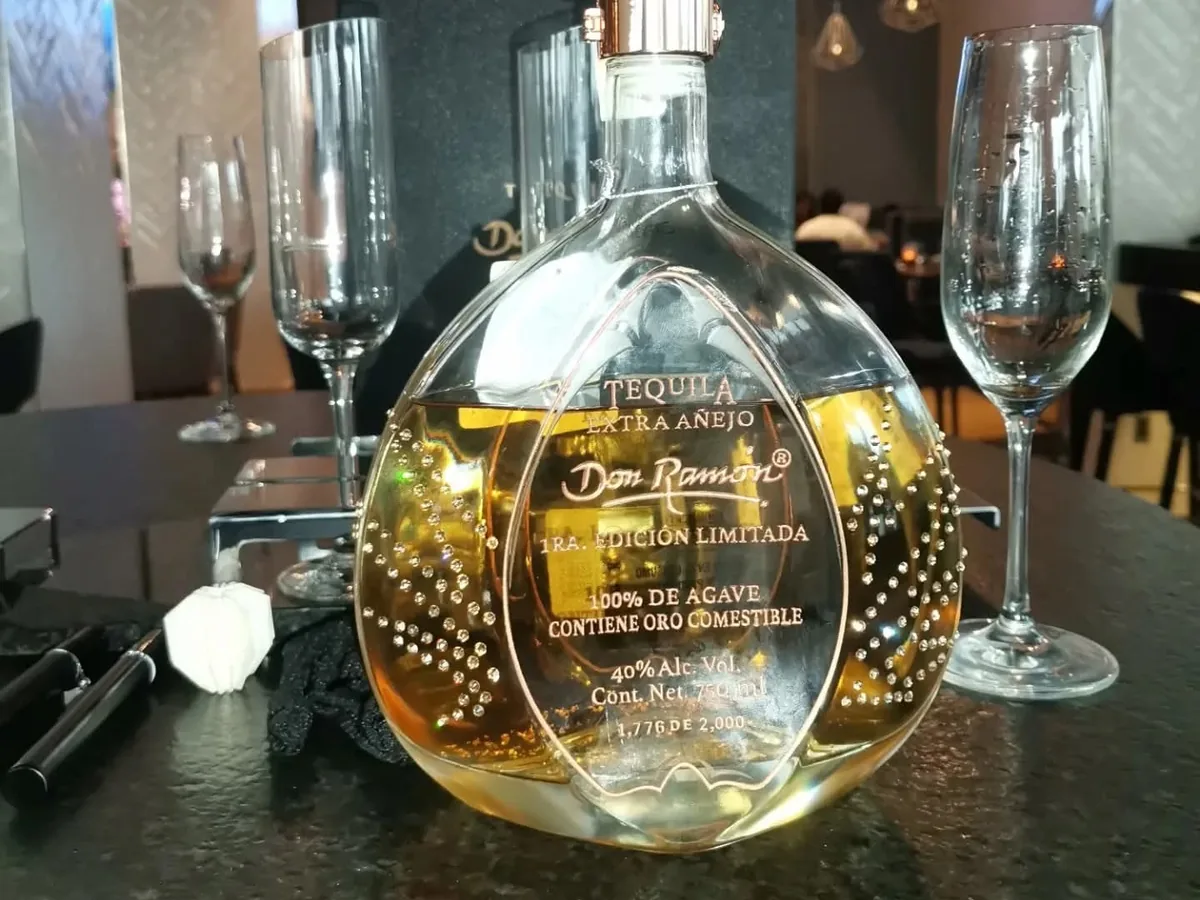
- Aging. Reposado, añejo and extra añejo rest in oak barrels.
- Bottling. Filtered, bottled and labeled with a lot number. 100% agave tequila must be bottled inside the protected region.
Why the process matters in your glass
Slow brick-oven cooking can bring sweeter, cooked-agave notes; a diffuser tends to give a lighter, cleaner profile. Fermentation and still choices shape fruitiness and body. That is why two blancos from different distilleries can taste so different.
Keep exploring with types of tequila and mezcal vs tequila, or taste the difference with a guided tequila tasting in Cancún.
Frequently asked questions
What plant is tequila made from?
Blue agave, Agave tequilana Weber blue variety. No other agave is allowed for tequila.
Where does tequila come from?
From the tequila Denomination of Origin in Mexico: all of Jalisco and parts of Guanajuato, Michoacán, Nayarit and Tamaulipas.
Can you make tequila at home?
Not legally as “tequila”: the name is reserved for certified producers inside the protected region, and home distilling is restricted in many countries.